
There’ve been times in my life when I thought the route I’d chosen was a good one. Sometimes it was, thanks be to God, but sometimes it wasn’t, and in that case always because of that “I.” The “I” who thought she’d found the route to meaning in this world—all by herself. The “I” who, like the rebellious Israelites, got routed back into the wilderness. The “I” who doesn’t want the suffering along the route to the cross, not matter how necessary it is for growth.
Today, the route to meaning, through the wilderness, to the cross. Thanks be to God.
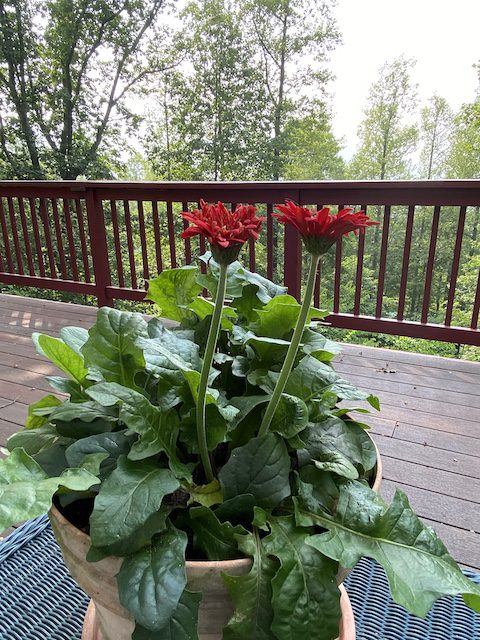
The Route to Meaning
For we are God’s handiwork, created in Christ Jesus to do good works, which God prepared in advance for us to do. Ephesians 2:10 NIV
Paul writes in Ephesians 2:10 that we believers are God’s handiwork, created anew in Christ Jesus to fulfill the good works God planned for us intentionally and purposefully. We are not accidents; our daily tasks and interactions matter. Each step along the route of our lives, we get to honor God through our thoughts, words, and actions.
As a twenty-one-year-old atheist, I found my route to meaning in teaching. Only after becoming a believer was I able to see the obvious hand of God in that calling event and later in my third-season-of-life calling as a writer. Living out my callings means doing the work, serving others, celebrating success and owning up to failure.
There are three routes to meaning, stated psychologist Viktor Frankl: through the completion of tasks, caring for others, or facing suffering with dignity. Although Frankl did not address faith, his ideas guide one along the route that is profoundly different from the “I.” Case in point: Frankl’s fellow prisoners in the WWII concentration camps, those who did not choose the route to meaning, gave up and died. Believers know that up until the moment of death, there is still time for the “I” to course correct or not, as with the two thieves hanging on either side of Jesus.
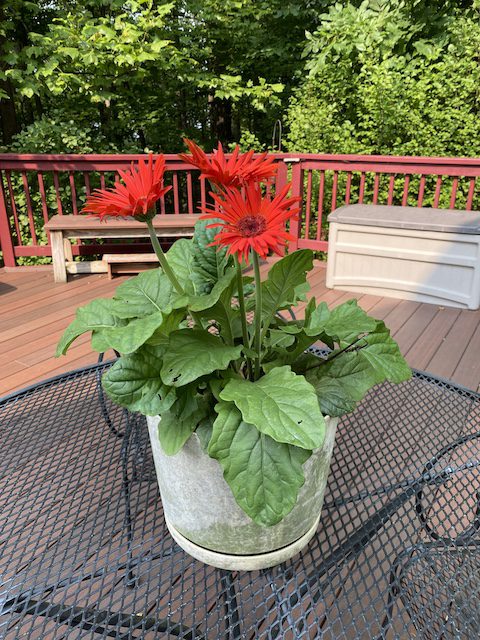
The Route through the Wilderness
Then we turned back and set out toward the wilderness along the route to the Red Sea, as the Lord had directed me. For a long time we made our way around the hill country of Seir. Deuteronomy 2:1 NIV
Deuteronomy 2:1 describes a decisive moment of God’s judgment due to disobedience: out of fear and lack of faith, the Israelites had refused to enter Canaan. Thus, God directed them away from the Promised Land back into the desert along the route to the Red Sea. They wandered this wilderness, circling the hill country of Mount Seir, for many years.
The route through the wilderness is not arbitrary but rather a path for testing, a place where God refines us for his purposes. As Bible study author Sharla Fritz states in God’s Relentless Love: “…when we experience ‘wilderness’ times in our lives, may we see them as opportunities to grow in our relationship with the One who loves us deeply.”
During my wilderness periods, as a forty-year-old newly-divorced woman searching for God and a sixty-year-old retiree searching for Jesus, I endured great emotional suffering, until God deemed me ready to move forward. Although the “I” hates to suffer, the believer thanks God for those growth opportunities.
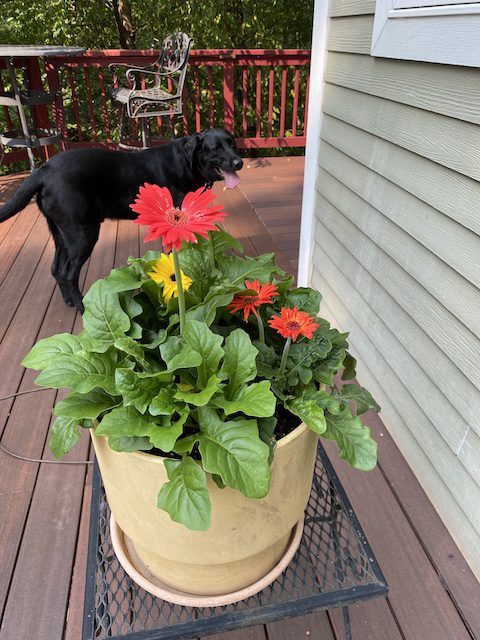
The Route to the Cross
Near the cross of Jesus stood his mother, his mother’s sister, Mary the wife of Clopas, and Mary Magdalene. John 19:25 NIV
John 19:25 lists the loyal and courageous women who stood near Jesus during his crucifixion: his mother Mary, her sister, Mary (wife of Clopas), and Mary Magdalene. Scripture does not say if Mary the mother of Jesus followed Him along the route to the cross, but she was there, at His feet. Such was her devotion to her son.
She knew how arduous that route was for Him. She also knew His care for her, as the verses that follow state. When Jesus saw his mother there, and the disciple whom he loved standing nearby, he said to her, “Woman, here is your son,” and to the disciple, “Here is your mother.” From that time on, this disciple took her into his home. Even while suffering unspeakable agony, Jesus demonstrated His love for others by preparing for His mother’s care. This is love.
The route to the cross is an arduous journey, a dying to that selfish “I,” a wandering path through the wilderness, and the most meaningful decision I make every moment of every day.
Linkup with Five Minute Friday
Subscribe to Notes from Vanaprastha Podcasts on my YouTube Channel: https://www.youtube.com/@CaroleDuff
Subscribe to Notes from Vanaprastha: https://caroleduff.com
Follow me on Instagram: https://www.instagram.com/carole.duff2010/
Subscribe to my Friday Happy Hours Substack: https://substack.com/@caroleduff305076


Your post spoke to my heart. There were many things I could relate to.
That first sentence took me back to when I was 39, deeply steeped in New Age and occult practices, and a published numerologist who thought I had finally found the answers to all my questions about roots and purpose and was finally on the right path. Fortunately the Lord did not leave me there. He used some very improbable circumstances to rescue me from the darkness I believed was light and set me on the right path.
(If you are interested, you can download a free PDF to my memoir–Sincerely Wrong: An Improbable Journey–by clicking on the link on the sidebar of my blog.)
Downloaded – can’t wait to read! Thank you, Sandra! -C.D.
So beautifully written and a good reminder that what we often walk through, though not ideal, is necessary to develop us, making us more like Jesus. My favorite was at the end, “The route to the cross is an arduous journey, a dying to that selfish “I,” a wandering path through the wilderness, and the most meaningful decision I make every moment of every day.” Thanks for sharing!
Thank you for reading and commenting, Kristina. I am blessed to know that you found encouragement in my words. -C.D.