
Hibernate, verb. Definition 1: of an animal or plant that spends the winter in a dormant state. Similar: sleep, overwinter, hole up. Definition 2: of a person who remains inactive or indoors for an extended period of time.
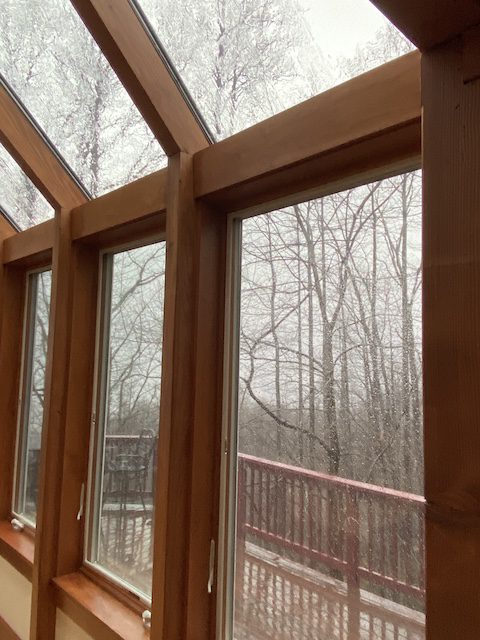
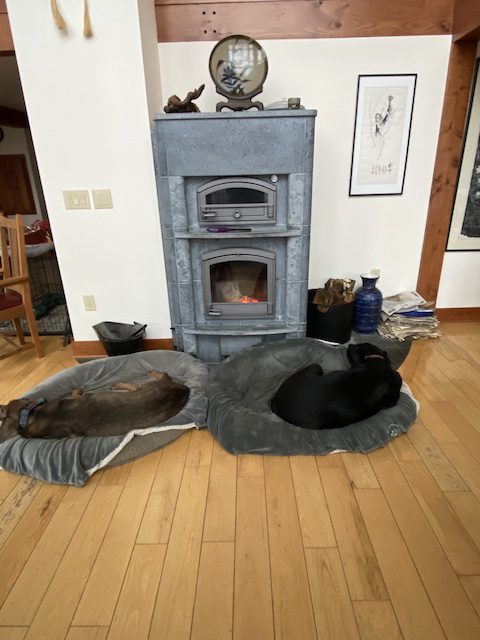
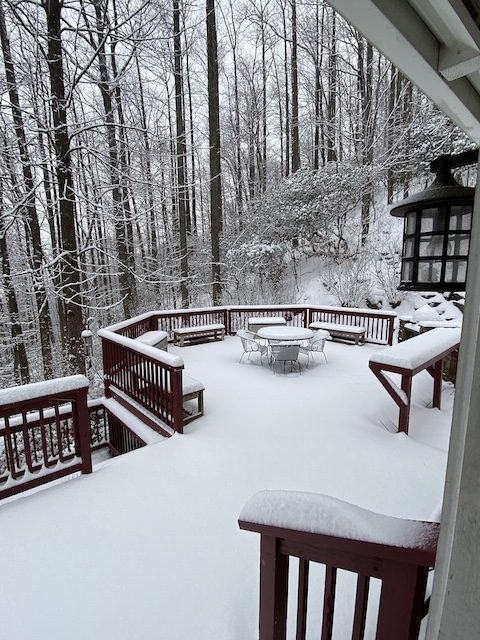
Last Tuesday, as we woke to cold rain and possible ice, I wanted to hibernate in front of the fire like Cato and Mac. Morning Bible study had been cancelled as a precaution, but the temperature rose enough to make the evening drive to music rehearsal feasible. But on Friday, we woke to snow. I rescheduled an appointment and re-planned my day to include driveway shoveling—and some spare time to hibernate with scripture, nature, and books.
Hibernate with books
When I’m stuffed up, snuffling, hacking, and blowing my nose, I feel pitiful. Cranky. Unlovable. To avoid spreading germs to others, I stay home and curl up in my chair with a blanket, hot tea, reading glasses, and a good book.
Some years ago, I hibernated with Gay Talese’s classic essay collection, Fame and Obscurity. His prose swept me back to the Sixties, my teen years, and the city of New York, two hours from the rural Connecticut town where I grew up. One “fame” essay in particular resonated: “Frank Sinatra Has a Cold.”
Frank Sinatra had the fame and fortune to have and do almost anything he wanted. Yet he was sick. More than that, anguish, depression, panic, and rage plagued him. He skulked around in silence, inactive and indoors for an extended period of time.
This morning, I got out of bed to runny nose and sneezes—likely allergy rather than a cold, since it’s been coming and going for the past few weeks. Nothing that stops me from cooking hearty meals and walking dogs—or shoveling snow.
Hibernate with nature
I must admit there is a certain appeal to hibernation, holing up for the winter as some plants and animals do—and insects, such as butterflies who overwinter in their cocooned state. Some of my herbs overwinter—sage, rosemary, thyme, and sometimes parsley—or kill back and shoot up again in the spring, as our oregano and mint do.
As for Keith and me, we might rest a bit more, mostly because of increased physical demands in the cold and snow of winter. Keith splits wood and keeps the fires burning; I walk dogs and shovel. I don’t mind, as there is something magical and enduring nature in winter. The crunch of snow under my boots, the loud silence of snowfall, the stark beauty of God’s creation.
Hibernate in Scripture
Genesis 8:22 NIV “As long as the earth endures, seedtime and harvest, cold and heat, summer and winter, day and night will never cease.”
Although the word hibernate does not appear in the Bible, the concept is well illustrated in the principles of physical rest, withdrawal, quietude, and spiritual renewal, especially in winter. Trusting God’s timing and provision as long as the earth remains, according to His mercy.
The context of this verse in Genesis places us in the story of Noah and God’s promise: no more global floods to wipe out humans and animals. From now until the end of time, seasonal cycles, planting and harvesting, day and night will function predictably, according to His design.
So today, as cold and snow descend upon us here at Vanaprastha, I bear witness to God’s grace.
Notes from Vanaprastha Podcasts on my YouTube Channel: https://www.youtube.com/@CaroleDuff


Carole, I like the idea of hibernating, too, but with all the Christmas craziness, that time of exhaling and resting doesn’t come until January. 😉
Yes, the lead up to Christmas can be crazy. Where is Advent’s waiting? Being snowed in today gives me a chance to think about such things – and get the Christmas cards done. Ha! Thanks for your comment, Annie! -C.D.